History
 Intent
At our school, the intent of the history curriculum is to provide a coherent, engaging and knowledge-rich understanding of the past, which develops pupils’ curiosity about the world and their place within it.
Our curriculum is carefully sequenced to ensure that children build secure chronological understanding of British and world history. Key historical concepts such as cause and effect, similarity and difference, significance, and hierarchy are revisited and deepened over time.
We aim for pupils to develop a broad and balanced knowledge of significant events, understand how the past has shaped the present, gain skill in historical enquiry, appreciate diversity across cultures, and make meaningful connections across subjects.
The curriculum aligns fully with the National Curriculum.
Implementation
The history curriculum is delivered through a well-structured sequence of projects from Key Stage 1 to Key Stage 2 using the Cornerstones Curriculum.
History is taught in the autumn and summer terms, with opportunities to revisit concepts through geography. Learning is organised into themed projects that build progressively.
Key Stage 1 focuses on personal history, significant people and early chronology. Lower Key Stage 2 develops chronological understanding of British history including Stone Age, Romans, and Anglo-Saxons. Upper Key Stage 2 deepens knowledge through studies of ancient civilisations, global history, and modern conflict.
Teaching emphasises historical enquiry, evidence-based learning, discussion, and the use of subject-specific vocabulary.
Impact
Pupils leave our school with a secure and connected understanding of the past. They demonstrate strong chronological awareness, can explain key events and their causes, and use evidence critically.
Pupils understand concepts such as significance and change over time, make connections between periods and cultures, and show curiosity and enthusiasm for history.
By the end of Key Stage 2, children are well-prepared for secondary education and able to think critically like historians.
How knowledge and skills build over time
Pupils begin by understanding their own experiences and simple concepts of time. They develop their understanding by studying significant events and societies, before progressing to analysing cause, consequence and interpretation. By the end of Key Stage 2, pupils can use evidence, think critically and communicate historical ideas with clarity.
Enrichment and wider opportunities
- Trips and visits
- Visitors or workshops
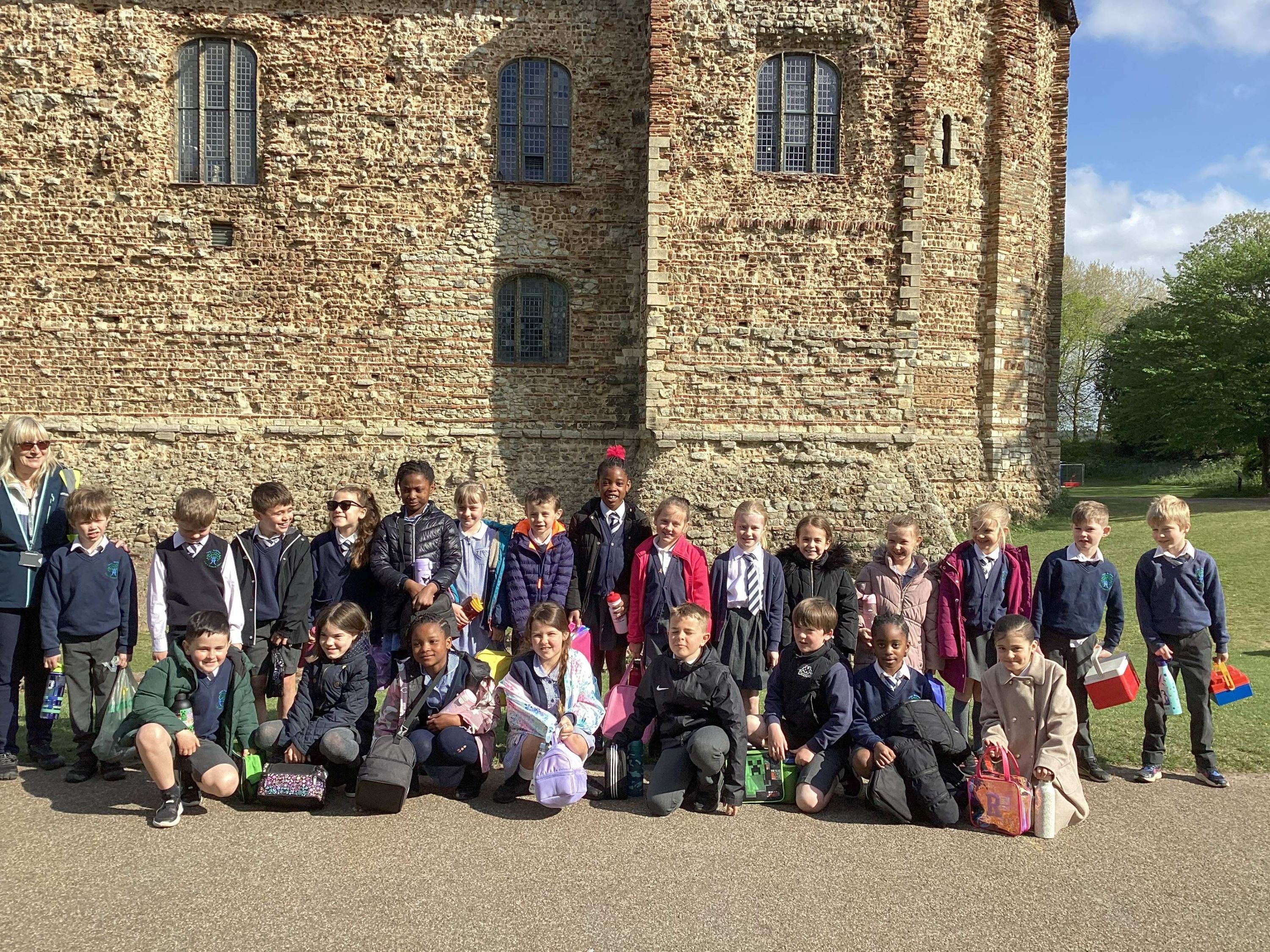
- Practical and real-life learning opportunities
Vocabulary progression
EYFS
- past, now, before, after
- old, new
- then, today, yesterday
- family, memory
- change
Key Stage 1
- past, present, future
- timeline
- long ago, recent
- event
- compare, same, different
- remember
- history
- artefact
Lower Key Stage 2
- chronological, sequence
- century, decade
- civilisation
- settlement
- invasion
- empire
- ruler, monarchy
- cause, effect
- evidence
- interpret
- significant
Upper Key Stage 2
- continuity, change
- consequence
- reliability
- bias
- source
- interpretation
- legacy
- hierarchy
- economy
- conflict
- significance
- perspective
How vocabulary builds
In history, pupils develop their vocabulary from simple concepts such as past and now in the early years, to more complex disciplinary terms such as civilisation, empire and significance. By Year 6, pupils use subject-specific language such as interpretation, bias and continuity to analyse and explain historical events.
Find out more
You can find more information about what your child will learn in each year group through our curriculum maps and knowledge organisers. If you would like further information about our History curriculum, please contact the school office.